
Best Vocal Microphone
As an Amazon Associate I earn from qualifying purchases. Some links may earn us a commission at no extra cost to you.
If you’re recording vocals—singing, podcasting, voiceover—the right mic makes the difference between “pretty good” and “professional.” What matters most: how the mic treats your voice (tone), how well it rejects room noise/off-axis sound, self-noise for quiet singers, plosive control, and fit with your setup (XLR vs. USB, gain needs, accessories, warranty/support).
Top picks
Shure SM7dB — Best for treated or untreated rooms (broadcast-style vocals)
A modern take on a studio legend with a built-in preamp that solves the “needs lots of gain” problem.
Why it wins: Same SM7 tone, but the integrated +18/+28 dB preamp means most interfaces drive it cleanly—no Cloudlifter needed.

- ICONIC SOUND, SIMPLIFIED: Built on the same dynamic cartridge and frequency response as the SM7B, the SM7dB delivers the same warm, natural vocal character with a built-in preamp that eliminates the need for external gain boosters
- FOCUSED VOCAL ISOLATION: A precision cardioid pickup pattern pairs with air suspension shock isolation to reject background noise, room reflections and handling vibrations to keep your voice clean and centered for podcasting, streaming, or recording.
- BUILT-IN PREAMP CONTROL: Selectable +18 dB or +28 dB of clean onboard gain lets you drive virtually any XLR interface without a separate inline preamp, reducing your signal chain to just the mic, a cable, and your interface.

Pros
-
Built-in low-noise preamp (+18/+28 dB)
-
Excellent off-axis rejection for noisy rooms
-
Selectable presence boost/bass roll-off
-
Rugged build; long support history
Cons
-
Preamp mode needs 48V phantom power
-
Heavier than typical handhelds
-
Works best very close to the mic
Social proof
Consistently praised by creators for “radio-ready” warmth; see reviews on Amazon.
Trade-offs / Who should skip
If you always sing softly from a distance, a sensitive condenser (pick #4 or #5) will capture more air and detail.
Scores: Performance 4.8/5 · Noise rejection 5/5 · Ease of Use 4.5/5 · Value 4.6/5
Shure SM58 — Best for live singers & rehearsal rooms
The stage standard: durable, predictable, and forgiving in loud spaces.
Why it wins: Tailored vocal presence, forgiving plosive control, and takes a beating on the road.
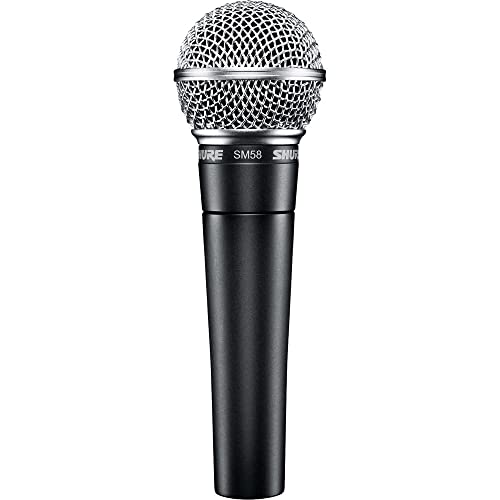
- LEGENDARY VOCAL CLARITY: A finely tuned frequency response with subtle midrange lift delivers warm, articulate vocals that cut through any mix, offering the unmistakable sound quality that has defined professional stages and studios for generations
- TRUSTED WORLDWIDE: The microphone of choice for artists and performers everywhere, from small venues to major stages, delivering consistent, professional sound for live performance, recording, podcasting, and broadcast use
- PRECISION CARDIOID PERFORMANCE: A uniform cardioid pickup pattern focuses tightly on your voice while minimizing background noise and feedback, ensuring clean, accurate vocal reproduction in any environment
Pros
-
Tailored vocal presence; cuts through mixes
-
Handles plosives well with built-in grill
-
Takes abuse; parts are replaceable
-
Widely supported everywhere
Cons
-
Not as detailed as condensers
-
Needs good mic technique for warmth
Social proof
It’s the “you can’t go wrong” live vocal mic; see reviews on Amazon.
Trade-offs / Who should skip
If you’re recording whispery vocals in a quiet room, a condenser (pick #4/#5) will capture more nuance.
Scores: Performance 4.3/5 · Handling noise 4.7/5 · Ease of Use 4.6/5 · Value 4.8/5
Shure MV7+ — Best USB/XLR hybrid for creators & singers at a desk
Dual-connect mic with DSP (denoiser, digital pop filter, Auto Level) and an LED touch panel—great for plug-and-play vocals that still scale to XLR.
Why it wins: USB-C and XLR give you an easy start and a clean upgrade path.

- CUSTOMIZABLE LED TOUCH PANEL: Personalize your setup with a full-color LED touch panel featuring 16.8 million color options, real-time level monitoring, and tap-to-mute control—ideal for livestreams, video calls, and on-camera podcasting
- AUTO LEVEL & REAL-TIME DENOISING: Auto Level Mode intelligently adjusts gain based on distance and volume, while the real-time denoiser reduces background noise, helping you maintain consistent, clean audio in any recording environment
- BUILT-IN REVERB EFFECTS: Add depth and character to your sound with integrated reverb modes, including Plate, Hall, and Studio settings, designed for enhancing vocals, voiceovers, and recordings with a polished, professional finish
Pros
-
USB-C and XLR on one mic
-
Built-in denoiser & pop filtering
-
Auto Level adapts as you move
-
App control for quick tweaks
Cons
-
DSP can sound processed if overused
-
Desk use benefits from a good boom arm
Social proof
Creators highlight the quick setup and strong voice isolation; see reviews on Amazon.
Trade-offs / Who should skip
If you want classic large-diaphragm condenser “air,” see Rode NT1 5th Gen or Neumann TLM 102 below.
Scores: Performance 4.4/5 · DSP/controls 4.8/5 · Ease of Use 4.7/5 · Value 4.5/5
RØDE NT1 5th Gen — Best condenser for home studios (USB or XLR)
A quiet, studio-grade large-diaphragm condenser with Dual Connect (USB-C + XLR), 32-bit float over USB, and extremely low self-noise (4 dBA). Includes shock mount & pop filter.
Why it wins: Clarity and flexibility—works as a studio XLR mic or a crash-proof USB mic.

- Groundbreaking studio condenser microphone that fuses the classic sound signature of the iconic NT1 with patented next-generation technology
- Connect to an audio interface or mixer via XLR, or plug directly into a computer via USB to record studio-grade sound in any setup – an all-in-one digital recording solution for the home or the studio
- Offers the classic warm, silky character, extremely low self-noise and high SPL handling capability that the original is revered for, perfect for a huge range of applications, from voiceovers and guitars to drums and piano
Pros
-
Very low self-noise (4 dBA)
-
USB 32-bit float; hard to clip vocals
-
Comes with shock mount & pop
-
Works as XLR mic as you grow
Cons
-
Condenser picks up more room tone
-
Needs an interface if you use XLR
Social proof
Home-studio users praise its clarity and flexibility; see reviews on Amazon.
Trade-offs / Who should skip
If your room is noisy and untreated, a dynamic like SM7dB may reject more background.
Scores: Performance 4.7/5 · Self-noise 5/5 · Ease of Use 4.6/5 · Value 4.7/5
Neumann TLM 102 — Best for pro-sounding vocals in treated rooms (compact LDC)
A compact Neumann large-diaphragm condenser with high SPL handling (up to 144 dB) and low self-noise, great for pop/R&B vocals when your space is quiet.
Why it wins: Smooth, present vocal tone with big headroom in a small body.
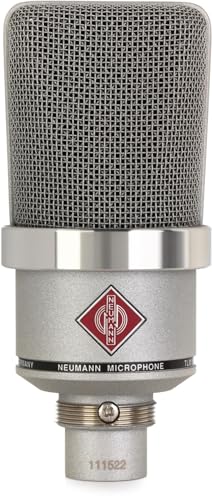
- Cardioid Condenser Microphone
- Large-diaphragm
- Transfmerless
Pros
-
Classic Neumann presence, compact body
-
144 dB SPL headroom for belters
-
Integrated pop screen in the grille
-
Robust long-term support
Cons
-
No pad/low-cut switch
-
Sensitive to room reflections
Social proof
Well-regarded by engineers for smooth, present vocals; see reviews on Amazon.
Trade-offs / Who should skip
If your room is lively/noisy, choose a dynamic first (SM7dB/SM58) and add the TLM 102 later.
Scores: Performance 4.7/5 · Max SPL headroom 4.8/5 · Ease of Use 4.3/5 · Value 4.4/5
Quick compare
-
Shure SM7dB — Best for untreated rooms: built-in preamp; superb rejection; needs 48V for preamp mode.
-
Shure SM58 — Best for live singers: tough, predictable sound; less airy detail than condensers.
-
Shure MV7+ — Best hybrid USB/XLR: denoiser + digital pop filter; processed if pushed too hard.
-
RØDE NT1 5th Gen — Best USB/XLR condenser: 4 dBA self-noise; picks up more room tone.
-
Neumann TLM 102 — Best compact pro LDC: 144 dB SPL; no pad/low-cut; needs a quiet room.
Buying guide
- Dynamic vs. condenser (room matters). If your space is untreated or you’re often near keyboards/fans, a dynamic with tight cardioid pickup (SM7dB/SM58) will reject more background. Condensers (NT1 5th Gen, TLM 102) capture more nuance—but also more room reflections. Treat the room or sing closer with a good pop filter.
- Gain & interfaces. Older broadcast dynamics like the SM7B typically need around 60 dB of clean gain; that’s why inline preamps became popular. The SM7dB bakes in +18/+28 dB so common interfaces work fine; bypass mode behaves like an SM7B.
- USB, XLR, or both. If you want “plug-and-go,” MV7+ or NT1 5th Gen over USB works great; both also offer XLR so you can graduate to an interface later.
- Self-noise for quiet singers. If you sing softly, condenser noise floor matters. The NT1 5th Gen is exceptionally quiet (4 dBA). The TLM 102 is quiet too, though not as low.
- Accessories & setup. A pop filter and shock mount reduce plosives and thumps; the NT1 5th Gen includes both. The SM58’s grille/pop system is forgiving live; the SM7dB includes a large close-talk windscreen.
- Warranty/support basics. Shure mics are typically covered by a limited two-year warranty in the U.S. RØDE covers products for one year with possible extension (model-dependent) via registration. Check the latest terms before you buy.
FAQs
Q: Do I need phantom power for the SM7dB?
A: Only when using the built-in preamp (+18/+28 dB). In bypass mode it behaves like an SM7B and doesn’t need phantom power.
Q: Which pick is best if I don’t have acoustic treatment?
A: Start with a dynamic (SM7dB). Its tighter pickup and off-axis rejection help in echoey rooms. Add a foam filter and sing close.
Q: I want maximum “air” and detail on top.
A: Choose a condenser (NT1 5th Gen or TLM 102). They’re more sensitive and capture breath and room; treat your space or use closer placement.
Q: Live shows vs. studio—can I use one mic for both?
A: The SM58 is built for stage and will do basic studio duty. For studio-first with occasional live use, the TLM 102 can handle very high SPL if the venue is quiet enough.
As an Amazon Associate, I earn from qualifying purchases.