
Best Portable Generators
As an Amazon Associate I earn from qualifying purchases. Some links may earn us a commission at no extra cost to you.
How I researched
-
I compared official manufacturer spec sheets for wattage (running/surge), noise, fuel type, outlets, weight, and warranty.
-
I verified common use-cases via retailer listings and owner feedback (e.g., RV A/C compatibility, ease of starting, portability).
-
I prioritized models with CO sensors that meet current safety standards and avoided units with unclear availability.
Top picks
1. Honda EU2200i — Best for ultra-quiet camping & tailgates
Honda’s gold-standard 2,200-watt inverter is quiet, compact, and famously reliable. It sips fuel and delivers clean power for laptops and CPAPs, with Honda’s CO-MINDER shutoff on current trims.
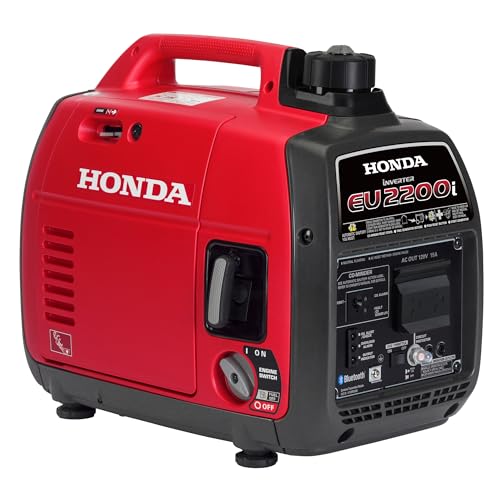
- Powerful Camping, RV, and Home Generator: Ideal for microwaves, refrigerators, hair dryers, small AC units, and more, this house generator features advanced inverter technology to supply power reliable enough for computers
- Super Quiet Generator: This camping generator is so quiet, your neighbors will thank you; The EU2200i operates at 48 to 57 dB(A), which is less noise than a normal conversation, so it's ideal for camping, supplemental RV power and other quiet activities
- App + Bluetooth Capability: Honda's exclusive My Generator smartphone app offers remote power generator operation and monitoring with unmatched convenience; The app also includes wireless stop and service reminders, utilizing Bluetooth connectivity
Pros
-
48–57 dB(A) at low load—campground friendly
-
Excellent fuel efficiency; long runtimes on a small tank
-
47 lb with suitcase handle; easy to carry
-
Parallel-ready if you later need more power
Cons
-
1,800W running output won’t start big RV A/Cs or many fridges
-
Recoil start only (no electric start)
Who should skip -
Perfect for quiet sites and sensitive electronics. Skip if you want to run an RV A/C or multiple large appliances at once.
2.DuroMax XP11000iH — Best portable inverter for home circuits (dual-fuel)
If you want inverter-clean power at serious wattage, this dual-fuel unit is the standout. It offers a 50A outlet for transfer-switch hookups, CO-Alert shutoff, and quieter operation than comparable open-frame units. It’s heavy, but far more “neighbor-friendly” when you’re running electronics and appliances together.

- Power on the Go - With 11,000 peak watts and 9,000 running watts, this generator is perfect for emergency home power, jobsite use, or camping with your RV
- Dual Fuel Technology - This generator runs on gasoline or propane giving you the freedom and flexibility of fuel choice
- CO Alert - Automatically turns off the generator when an unsafe level of carbon monoxide is detected

Pros
-
High-watt inverter output (rare in this class)
-
Dual-fuel (gas/propane) flexibility
-
50A (14-50R) plus covered household outlets
-
CO-Alert safety shutoff
Cons
-
Much pricier than open-frame 9–12kW units
-
Bulky and heavy to move without help
3. Generac GP9500E Tri-Fuel — Best for maximum fuel flexibility (gas/LP/NG)
Storms make fuel unpredictable; this model runs on gasoline, propane, or natural gas. It has electric start, solid continuous wattage, and CO-safety shutoff. Ideal if you want to plumb to NG for long outages yet keep propane/gas as backups.
No products found.
Pros
-
True tri-fuel convenience (gas/LP/NG)
-
Strong running wattage; electric start
-
Transfer-switch-ready outlets and covered receptacles
Cons
-
Open-frame design is louder with higher THD
-
Lower output on NG vs. gasoline (expected)
4.Generac Guardian 22-kW Standby — Best true “set-and-forget” backup
This permanently installed standby system hands you automatic transfer, remote monitoring, and low-maintenance self-tests. It’s not portable, but it’s the most seamless way to keep a whole house running on LP or NG during extended outages.
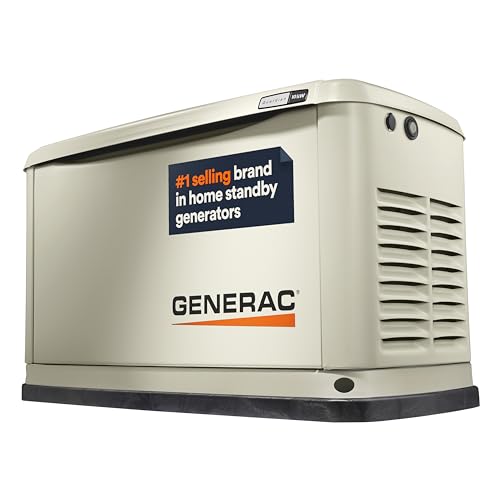
- Remote Monitoring Anywhere: With Generac 7171 10kW Mobile Link Wi-Fi connectivity, effortlessly track generator performance from anywhere. Stay updated on status and maintenance alerts, ensuring peace of mind even when you’re away
- Quiet-Test Self-Test Mode: Unlike other brands, our generators run quieter during the self-test mode thanks to the lower RPM operation, saving fuel while maintaining peace and quiet for your home
- Long-Term Assurance: Backed by a 5-Year Limited Warranty, this automatic transfer switch delivers lasting performance and peace of mind, ensuring your investment in a Generac transfer switch will serve you well for years
Pros
-
Automatic transfer + Wi-Fi/mobile monitoring
-
Clean power for the whole home
-
Long warranty and proven platform
Cons
-
Requires professional install and fuel line
-
High upfront cost vs. portables
Buying guide
-
Start with your largest load. RV A/Cs and well pumps often need 3,000–4,500+ starting watts; laptops/routers/CPAPs run fine on 1,500–2,000W inverters. Check your appliances’ running vs. starting wattage.
-
Inverter vs. open-frame. Inverters (EU2200i, iGen4500) are quieter with cleaner power but cost more per watt. Open-frame units (WGen7500DFc) are louder/heavier but deliver whole-home-style output on a budget.
-
Fuel choice matters. Dual-fuel adds flexibility (propane stores longer; gasoline gives slightly higher wattage). If you’ll store a unit for emergencies, dual-fuel is handy.
-
CO-safety shutoff is essential. Look for CO-MINDER/COsense/CO Shield or “C” variants. Always run generators outside—far from doors/windows.
-
Battery power stations as an alternative. If indoor use or noise is a problem, a LiFePO₄ “power station” is silent and fume-free, though limited for very high-draw loads unless you size up considerably.
FAQs
Q: What size generator do I need for a refrigerator and a few essentials?
A: A modern fridge plus router and lights typically fits on a 2,000–2,500W inverter (verify your fridge’s running and start amps). Add a window A/C or space heater and you’ll likely want ~3,000–4,500W.
Q: Is dual-fuel worth it?
A: For emergency prep, yes—propane stores indefinitely and starts cleaner; gas gives slightly higher wattage. Models like Champion’s 2500 DF and Westinghouse’s WGen7500DFc make switching simple.
Q: How quiet is “quiet”?
A: Top inverters hit the 48–57 dB(A) range at low load—about conversation level. A 4,500W class inverter sits in the low-50s to 60s. Open-frame 7,500W units are noticeably louder (often in the 70s dB).
Q: Do I really need a CO sensor if I’ll use it outside?
A: It’s still a smart safety net and increasingly standard. It’s not a license to run indoors—just added protection against unsafe placement.
Q: Can I plug my generator into my home panel?
A: Only via a transfer switch or interlock installed by a pro and only with the generator outdoors. Never back-feed through a dryer outlet.
Q: What about pure “battery generators”?
A: They’re great for apartments, medical devices, and electronics—silent and zero-emission—but they’re limited for high-draw appliances unless you buy a large or expandable system.
As an Amazon Associate, I earn from qualifying purchases.