
Best Acoustic Guitars Under $1,000 (Top Picks)
As an Amazon Associate I earn from qualifying purchases. Some links may earn us a commission at no extra cost to you.
How I researched
-
I prioritized current models with strong reliability signals (clear specs from the maker/major retailers) and long-term value (solid woods, good setups, included case/gig bag when possible). I compared tonewoods, body shapes, electronics, and what you actually get for real-world playability.
Top picks
1. Yamaha 6 String Series AC1M — Best for rich, balanced tone that’s stage-ready
If you want a refined, do-it-all acoustic that punches above its price, the LL16 is it. Its A.R.E.-treated solid Engelmann spruce top and solid rosewood back/sides deliver shimmering highs with tight, piano-like lows, and the stealth SRT Zero-Impact pickup makes plugging in easy without extra controls on the top.
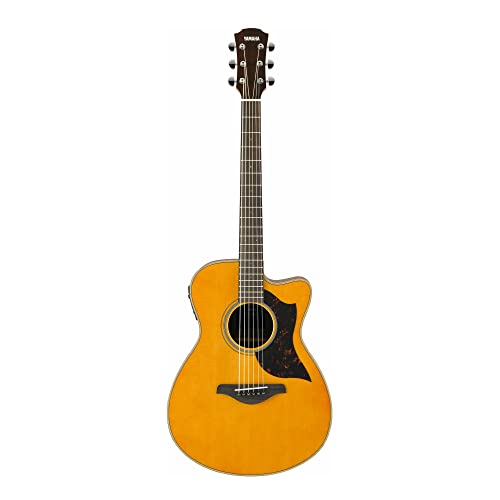
- Solid Sitka Spruce top with scalloped bracing for a louder, richer acoustic sound
- Yamaha's original SRT piezo pickup provides premium plugged-in performance
- High comfort satin mahogany neck with a slim taper profile

Pros
-
All-solid woods (Engelmann/rosewood) with torrefaction for a more “opened-up” voice
-
Comfortable neck and stable 5-ply construction
-
Discreet SRT pickup for plug-and-play gigs
-
Consistent QC—great “set and forget” instrument
Cons
-
Jumbo body feels big if you’re shorter or mostly couch-playing
-
Minimal onboard controls with the Zero-Impact system
2. Martin D-10E — Best traditional dreadnought vibe under $1k
A no-nonsense Road Series Martin with solid woods and modern electronics. Expect the familiar “big Martin” punch and a comfortable Performing Artist neck in a package that’s gig-ready.

- Solid Sitka Top w/ Solid Sapele Back & Sides
- Fishman MX-T Electronics
- 14 Fret Dreadnought Shape
Pros
-
Solid-wood construction (spruce or sapele top; solid sapele back/sides)
-
Built-in electronics for live use
-
Proven D-14 fret design for volume and low-end authority
Cons
-
Dreadnought body can be boomy for fingerstyle
-
Aesthetic appointments are simple (that’s how it stays affordable)
3. Taylor 114ce — Best for comfort, playability, and consistent setup
Taylor’s GA body is comfy on the couch or stage. The current 114ce adds a torrefied solid Sitka top for a more seasoned response, while the layered sapele back/sides keep it stable through weather and travel.

- 6-string Acoustic-electric Guitar with Spruce Top
- Ebony Fretboard - Natural Sapele
- Sapele Back Sides
Pros
-
Torrefied solid Sitka top = quick response and projection
-
Grand Auditorium shape balances strumming and fingerpicking
-
Taylor’s factory setups are famously consistent
Cons
-
Layered (not solid) back/sides; purists may prefer all-solid
-
Bright Taylor voice isn’t everyone’s favorite for heavy strumming
4. Guild D-120 (Westerly Collection) — Best all-mahogany warmth on a budget
All-solid African mahogany top/back/sides for that classic, woody thump and sweet mids—plus Guild includes a premium gig bag. Great value if you love singer-songwriter tones.
No products found.
Pros
-
All-solid mahogany build at a friendly price
-
Warm, balanced tone that records easily
-
Comes with a quality gig bag
Cons
-
Less top-end sparkle vs. spruce-top models
-
No factory pickup (look for the D-120CE if you need one)
Buying guide
-
Body shape fit: Dreadnoughts (Martin D-10E, Eastman E6D, Guild D-120) = volume and bass for strummers/bluegrass. GA/OM (Taylor 114ce) = balance and comfort for mixed styles and smaller frames.
-
Tonewood priorities: Spruce top = clarity/snap; mahogany top/back/sides = warmth/mids. All-mahogany (Guild) is mellow; spruce/rosewood (Yamaha LL16) is hi-fi and balanced.
-
Electronics: If you gig, factory systems (Yamaha SRT; Taylor’s onboard electronics on the 114ce) save you an install. If you’re a home player, skip electronics and put more budget into tonewoods.
-
Neck feel & setup: If you fingerpick, consider wider nuts and lower action; flatpickers often like a medium setup for headroom.
-
Included protection: A good gig bag/case stretches your dollars (Guild includes a premium gig bag with the D-120).
FAQs
Q: Are all-solid guitars always better?
A: Not always. All-solid often ages and resonates more, but layered backs/sides (Taylor 114ce) can be more durable against humidity and travel. Choose based on use case, not dogma.
Q: I play mostly fingerstyle—what’s the safest pick here?
A: Try the Taylor 114ce (GA body, quick response) or look for an OM/Concert. If you like woody warmth for solo pieces, the Guild D-120’s all-mahogany flavor is lovely.
Q: Do I need a pickup?
A: Only if you’re performing or recording direct. The LL16 and 114ce include electronics; otherwise you can add a soundhole or undersaddle system later.
Q: What about bluegrass rhythm?
A: Go dreadnought (Eastman E6D, Martin D-10E). These deliver the low-end “thump” and headroom you need.
Q: Is a gig bag included?
A: The Guild D-120 ships with a premium gig bag. Others vary by retailer; check the listing.
As an Amazon Associate, I earn from qualifying purchases.